
As the days grow shorter through the Winter Solstice, I find myself seeking moments of light even more. Judaism and many other religions have holidays at this time of year with themes of bringing light into the world.
Hanukkah, which begins this Sunday evening, Dec. 14 and concludes at sundown on Monday, Dec. 22, is also called the Festival of Lights.
What is the light that Jews celebrate during this holiday? During the time of the Syrian Greek empire in the 2nd century BCE, King Antiochus decreed that Jews may not observe their religion. The Macabees, led by Mattathias and his five sons, charged a rebellion against forced assimilation. They rose up and reconsecrated the defiled Temple in Jerusalem.
Part of what they needed was pure oil. Legend shares they found one small cruise of oil which would only be enough to last for a day. Miraculously, the oil burned for eight nights and days, hence the length of the holiday.
A mitzvah (commandment) of Hanukkah observance is to light a Hanukkiah which is also called a Menorah. A Hanukkaah/Menorah has nine candleholders, one branch for each night plus one for the shammash, the helper candle.
It’s traditional to place a Menorah outside or in the window to publicize the miracle of the lights.
One could say the miracle of the light is that there was enough oil left to ensure the survival of the Jewish people’s creativity. In the midst of a dark moment, this small amount of oil was enough to ignite the flame to keep Judaism alive.
Indeed, as Rabbi Arthur Waskow explains in his book, Seasons of our Joy, “Since the whole universe was created in seven days, eight is a symbol of eternity and infinity.” Judaism not only survived that dark period, it continued to have sparks of spiritual light through the centuries.
Today we can look at the miracle of light and think about ways it shines in the world. When we truly see one another, we can experience the light of understanding. When we listen to one another, even when we disagree, the spiritual light of connection gives us strength.
In Jewish liturgy, there is a daily morning prayer that blesses God for creating darkness and light. Watching a sunset is a beautiful experience with the changing colors following the sun first setting before it is totally dark. The dark skies make it possible to see the light of the stars.
In the morning, witnessing a sunrise is amazing to see the darkness of the skies ease their way into light and brightness.
During Hanukkah, we see the extensive darkness with shorter days. The Hanukkah lights, adding one candle each night until all eight plus the shammash/helper candle are lit on the last night, uplifts our spirits.
At a time of year with vast darkness, the lighting of the candles asserts our hope for renewed light. Another wonderful aspect of lighting candles is that as the light spreads, the first candle does not diminish. The light shines even brighter.
“Look at how a single candle can both defy and define the darkness,” wrote Anne Frank (one of the most well-known victims of the Holocaust through the publication of her journal, “The Diary of Anne Frank”).
Share in the lights of Hanukkah with Congregation Emeth and check out events here: emeth.net.
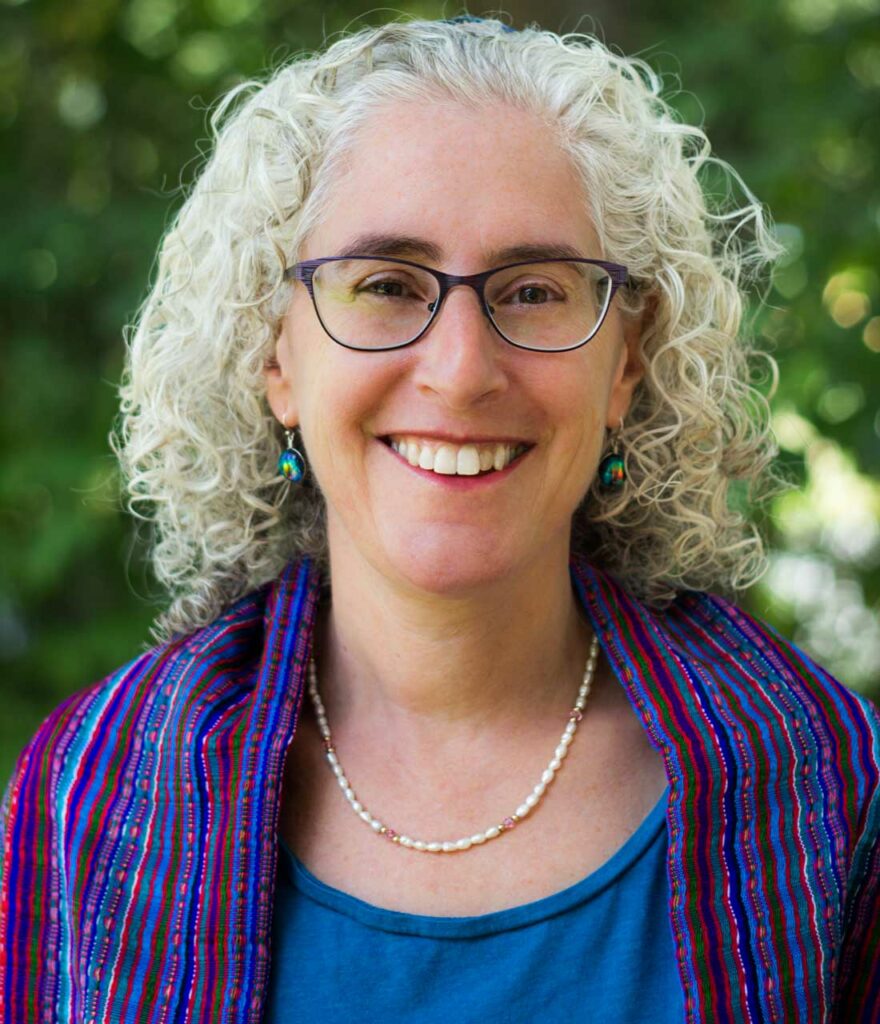
Rabbi Faith Joy Dantowitz is the rabbi of Congregation Emeth, located in Morgan Hill and serving all of South County. Rabbi Dantowitz can be contacted at ra***@***th.net.