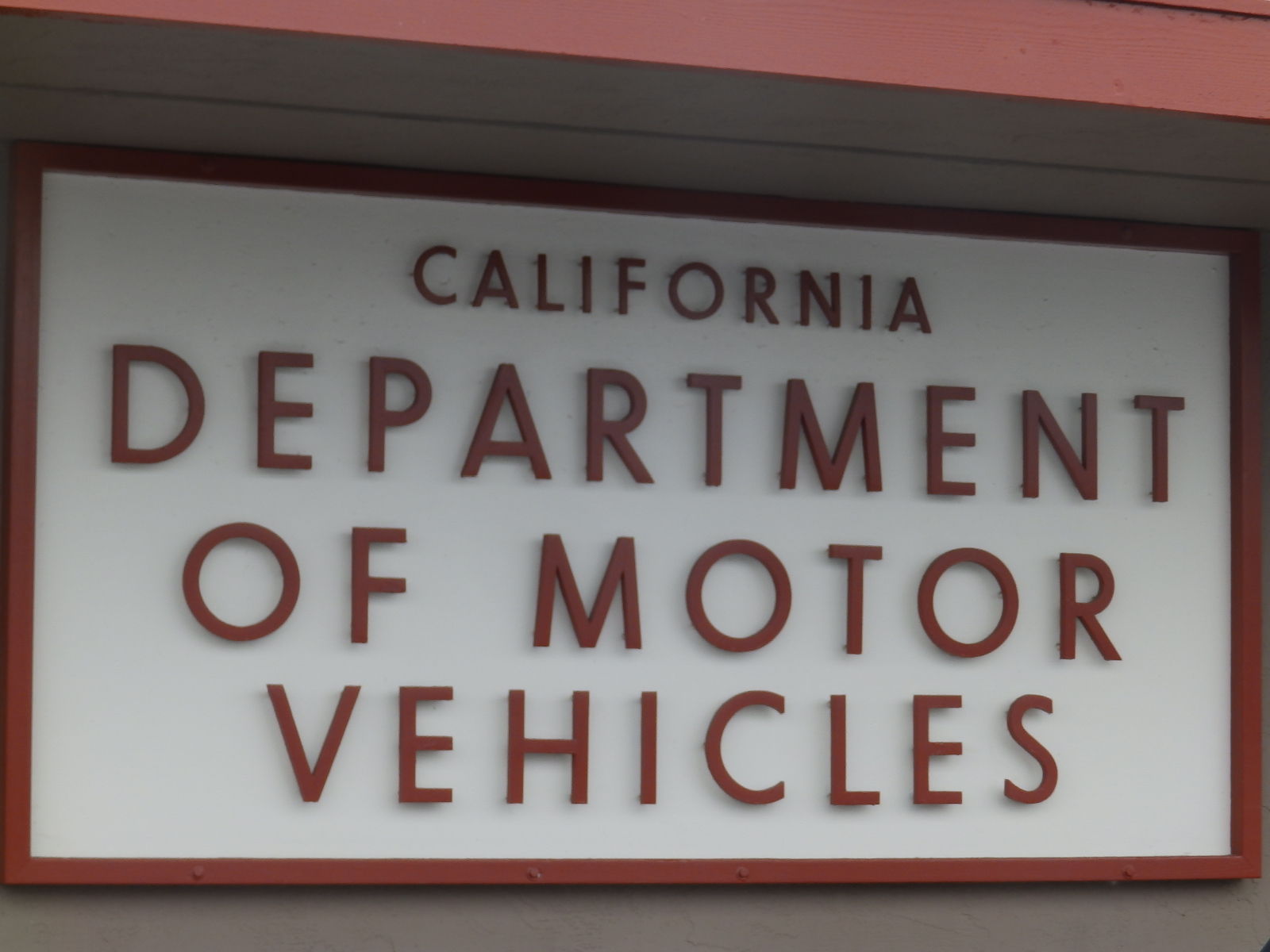
Roughly 325,000 California residents may need to renew their driver’s licenses or ID cards after the California Department of Motor Vehicles discovered that outdated software gave them incorrect expiration dates.
In a New Year’s Eve press release, DMV officials said they will send notices in the coming weeks to customers affected by the error involving their Real IDs.
All other Real ID holders do not need to take any action, the agency said.
“We proactively reviewed our records, identified a legacy system issue from 2006, and are notifying impacted customers with clear guidance on how to maintain a valid California-issued credential,” DMV Director Steve Gordon said in a statement. “For nearly 99% of Real ID holders, no action is required.”
The DMV said it will expedite the renewal process for affected customers and waive any related fees.
Officials emphasized that the department will not contact customers by phone, text or email requesting personal information or payment.
Anyone seeking to verify DMV action can call 800.777.0133.
The Real ID Act, signed into law in 2005, set new security standards for state-issued identification used for federal purposes such as boarding commercial flights.
Full enforcement of the law began May 7, 2025.
During an internal review of technology systems this winter, the DMV discovered a software configuration dating back to 2006 that affected how expiration dates were calculated for a small subset of Real ID holders who are noncitizens but are lawfully present in the United States.
Under federal rules, immigrants with legal presence — including permanent residents, green card holders and visa holders — are eligible for Real IDs.
While most Real IDs issued to noncitizens are tied to individuals’ authorized periods of stay, the DMV said some were mistakenly assigned a standard renewal interval.
The DMV stressed that Real IDs were never issued to undocumented people and that lawful presence was verified in all cases.
The issue, officials said, was limited to how expiration dates were applied, not eligibility.
The problem was identified as part of a broader effort to modernize the department’s operations over the past five years, officials said.
The DMV has moved away from paper-based workflows and older technology systems toward a digital-first service model, allowing more than 90% of transactions to be completed online.
Officials again encouraged customers to check online options before visiting a field office, noting that many license and registration services can be handled through the DMV’s website.