
In my experience with my colleagues who are faith leaders in the Interfaith Clergy Alliance, I have come to learn that each faith expression has some kind of sacred writings. These give guidance as to how we are to live out our faith in our lives.
That said, we may wonder how there can be such variation in faith traditions. I’m not writing about differences between Christians, Jews and Muslims so much as I am about differences within groups who profess to be members of a certain faith tradition. For instance, among Christians there is a great disparity about how we interpret what we call the Word of God, the Holy Bible.
I learned this definition at a conference I attended several years ago, and it has helped me stay on course when I encountered a difficult passage. What does this mean, I ask, and then I recall this definition, and gain some insight: “The Bible is about God from the perspective of the suffering ones, in a language of community. It is immensely complex and of mountainous difficulty, and needs to be interpreted in the light of today.” (Gail Ramshaw)
As a Lutheran Pastor from a more liturgical tradition, I value reverent worship and a respect for what the Sacred Writings are saying to me. I try to craft my sermons not on the basis of a preconceived idea, but on what they are saying to me and my congregation here and now.
Our liturgical tradition follows a set of readings for each Sunday of the year. We read from the Hebrew Scriptures (Old Testament), we sing from the Psalms. We read from the New Testament, first from the Epistles (letters), and then from the Gospels (narration of the story of Jesus) each Sunday. That is four readings each week!
This gives us a guide into the variety of expressions in the Bible across centuries.
There is a certain disciplined approach using this method. I don’t just come up with some idea of what I want to talk about and try to find a passage of scripture that agrees with me. This approach forces me to come to grips with what God is saying to us today.
“The Bible is about God.” But “from the perspective of the suffering ones, in a language of community.” I must ask, who are those who are suffering these days?
I must remember that this is not just about one person, but about a whole community, a class or an ethnic group or a race or nationality that is suffering. Then I need to ponder how to interpret a message of God’s care and deliverance that is designed to bring good news to the suffering community.
In The History of God, Karen Armstrong writes about Judaism, Christianity and Islam as they developed throughout history. She concludes by stating that each faith expression is about God’s compassion and God’s justice.
God seeks out the suffering with compassion and love. Then God seeks to bring those who are causing injustice to some reckoning and justice.
The role we play as people who practice our faith in daily living is to find how we can join with God in compassion for the oppressed and justice-seeking for the oppressors. How do we right the wrongs we see or experience in our communities? How do we make the world a better place? Our various faith expressions keep faith best when we respect our Sacred Writings.
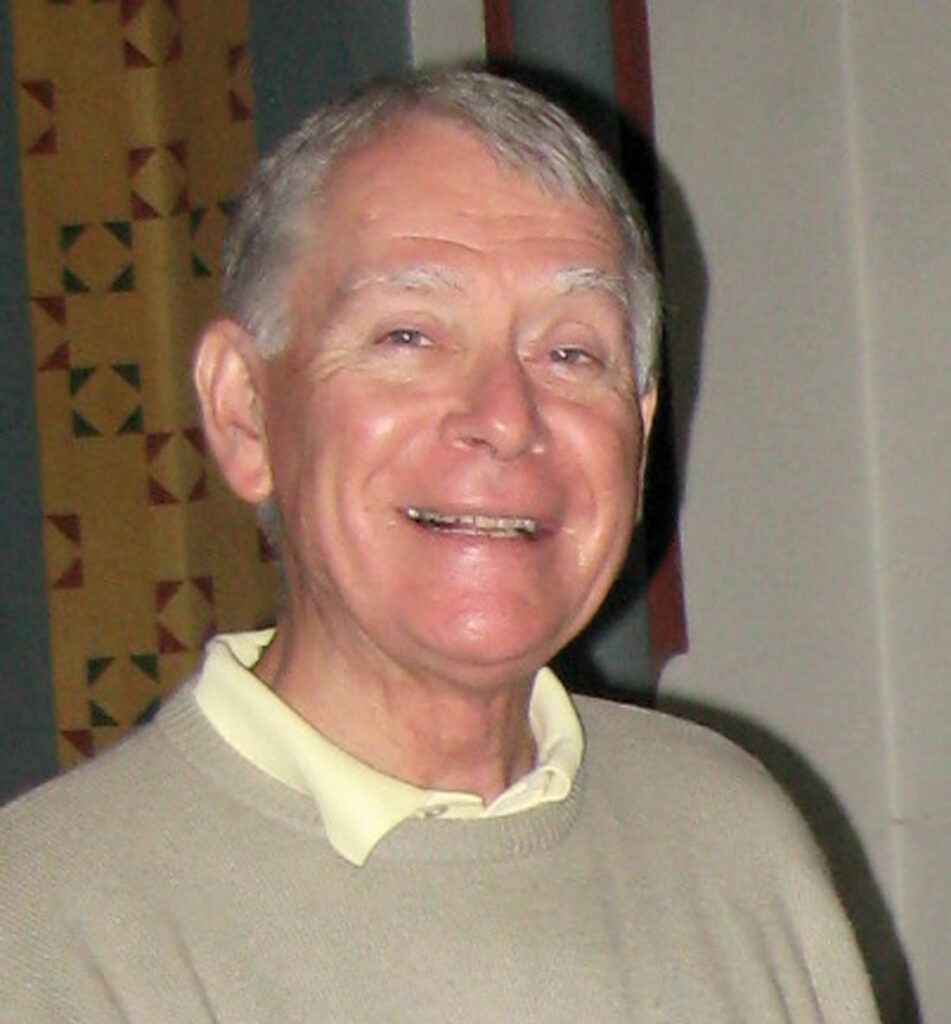
Ronald E. Koch is Pastor of Good Shepherd Lutheran Church in Gilroy. He is a founding member of the Interfaith Clergy Alliance of South County. Pastor Koch can be reached at lc*********@***il.com.