Now that a design contract has was approved this month for a new wildlife crossing in Coyote Valley, conservationists and transportation planners expect that construction on the project could begin by 2028.
The wildlife crossing is proposed to provide infrastructure for safe passage for animals across Highway 101, Monterey Road and Union Pacific rail lines in southern Santa Clara County.
On Jan. 8, the board of the Santa Clara Valley Transportation Authority approved an $8.7 million contract with HDR Engineering to begin the initial stages of design and planning for the passage, known as the U.S. 101/Monterey Road Wildlife Crossings Project.
The crossing will be located where Fisher Creek intersects with Monterey Road.
“As Santa Clara County’s congestion management agency, VTA works to keep our transportation network safe and efficient,” Carolyn Gonot, VTA’s general manager and CEO, said in a statement. “Investing in wildlife crossings helps reduce collisions and ensures our roadways better coexist with the region’s natural habitats for the long-term health and safety of all.”
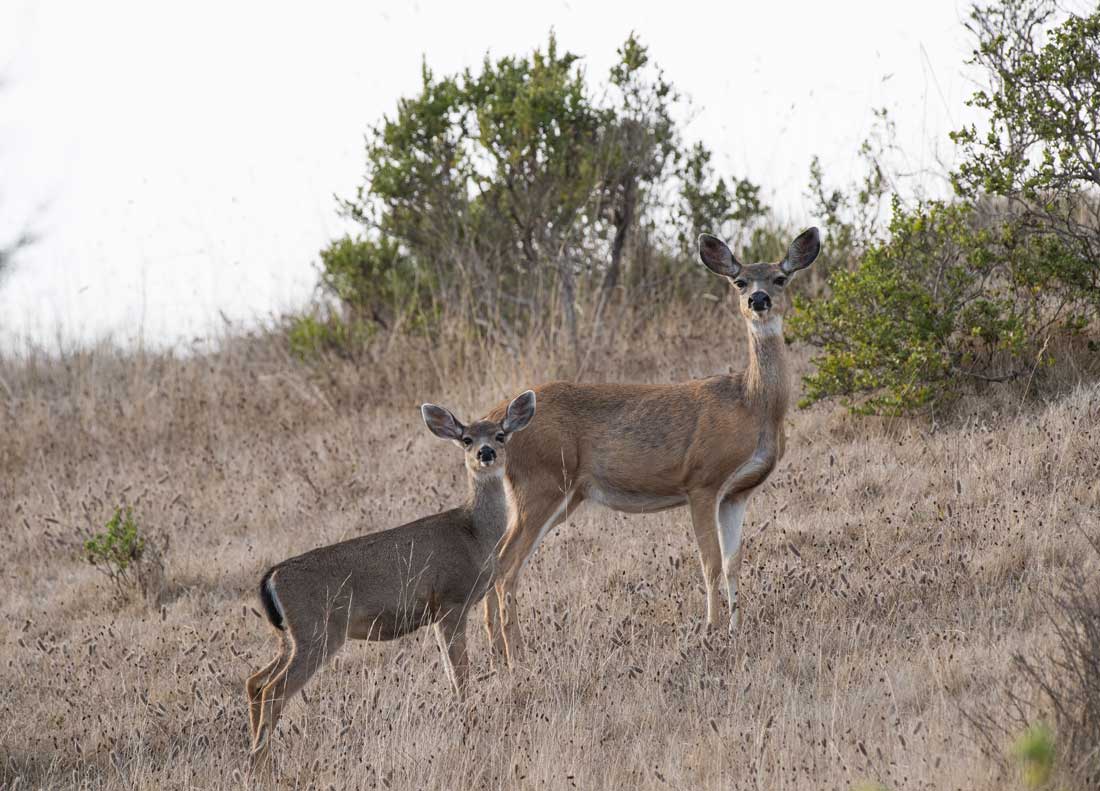
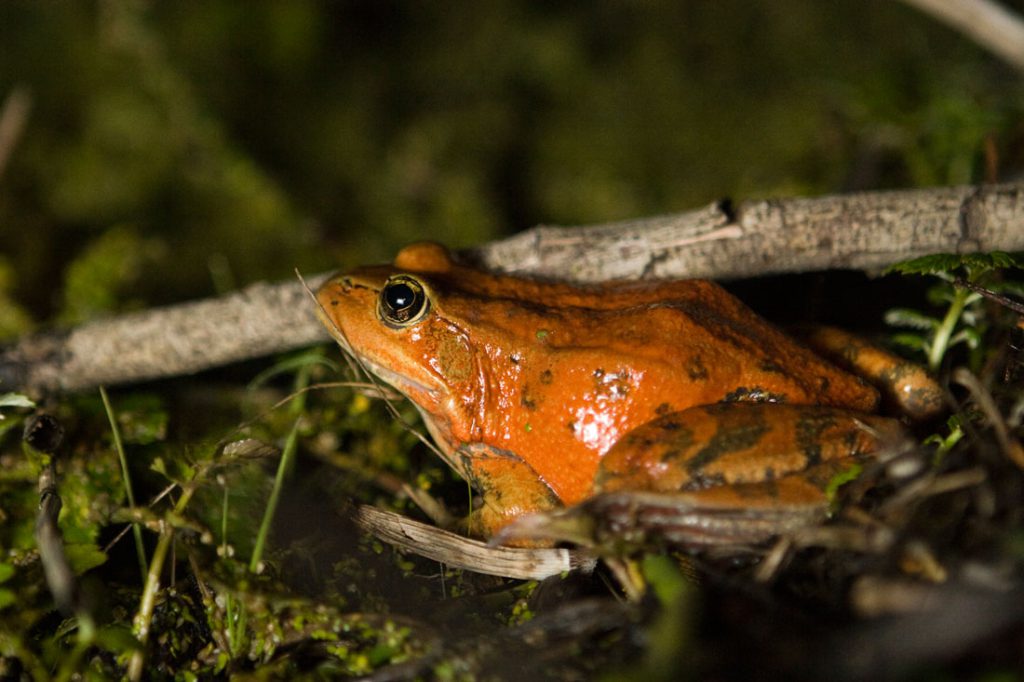
Coyote Valley is the longtime home for a variety of wild critters whose habitat is intersected by the busy highways and railroad line. Deer, squirrels, mountain lions, badgers, bobcats, coyotes, amphibians, reptiles and more routinely cross Coyote Valley to find food, shelter and mates, says a press release from the Peninsula Open Space Trust (POST), which has led the advocacy efforts for wildlife crossings in Coyote Valley for several years.
Escalating traffic and wildlife-versus-vehicle collisions have created safety hazards along Monterey Road and Highway 101 between San Jose and Gilroy, according to POST.
The valley has been identified in scientific studies as a critical wildlife movement corridor, as well as a conservation priority for the region, POST said. It is a key connection point for more than 1 million acres of conserved lands across the region, representing more than $3.1 billion in public and private investment.
Over the past decade, POST, the City of San José and Santa Clara Valley Open Space Authority have worked to purchase and protect thousands of acres of open space in and around Coyote Valley.
“Coyote Valley is a critical landscape for Santa Clara County residents and for local wildlife who need to move between the coastal and inland mountain ranges to find food, shelter and mates,” said Gordon Clark, president of POST. “Thanks to VTA as the project’s implementation partner and to significant funding from the California Wildlife Conservation Board, we are advancing our long-term vision for a safely connected landscape.”
In recent years, POST has conducted feasibility studies, planning and design work for numerous wildlife safety routes along Monterey Road, Highway 101 and the Union Pacific rail lines. A study currently in the works aims to identify other locations for future crossings along Highway 101, and other enhancements that might be needed to ensure safe passage for wildlife, POST said.
After HDR completes the design and planning work for Fisher Creek wildlife crossing, construction could begin by 2028 if funding is available, POST said.
The planning, design and construction of additional wildlife crossings also depends on funding availability.
The Coyote Valley crossing is the first time that VTA and POST have collaborated directly on public infrastructure. VTA is responsible for managing and delivering the built crossings, as well as coordinating agreements with other involved jurisdictions—including the City of San Jose, CalTrans, Union Pacific and others.