One of the blessings of being a rabbi is officiating at weddings. I’m currently working with my first second-generation couple. One of the bride’s parents was among the first couples I married, making this a particularly meaningful and full-circle moment.
In addition to a marriage license issued by the state, a Jewish wedding includes a Ketubah, a Jewish marriage document. For the couples I marry, the Ketubah is not a legal contract, but rather a reflection of their love, commitment and shared values.
It represents the covenant of their relationship.
Today, Ketubah designs are as varied and unique as the couples themselves and often become the first piece of artwork they purchase together. How magnificent that this expression of their relationship hangs in their home as a daily reminder of their commitment to one another.
The Torah is, in many ways, the Ketubah between God and the Jewish people—a witness to a sacred covenantal relationship. Each year on Shavuot, Jews celebrate the giving of Torah at Mount Sinai, renewing that covenant once again. Shavuot, which means “weeks,” takes place seven weeks after Passover.
In some ways, celebrating Shavuot is akin to celebrating a wedding between God and the Jewish people.
Jewish tradition teaches that the Torah was given in the wilderness, symbolizing that Torah is open to all. One can be born Jewish, and one can also choose to become Jewish.
The Torah verses read on Shavuot include the Ten Commandments (Exodus 20), and the additional Biblical reading is the Book of Ruth, which contains the first public affirmation of one choosing Judaism.
After the death of her husband, Ruth chose to remain with her mother-in-law Naomi and embrace Naomi’s faith and people, declaring, “Your people shall be my people, and your God my God.” (Ruth 1:16)
Ruth’s acts of loving kindness toward Naomi are an example of love in action. The Hebrew word for love is ahavah, and the prayer V’ahavta—“you shall love”—reminds us that love is not merely a feeling, but a sacred obligation. Ruth embodies love through action: walking beside Naomi, gathering food to sustain them, and refusing to abandon her in a time of loss and uncertainty.
Like any loving relationship, covenant must continually be renewed through acts of care, compassion and responsibility. On Shavuot, when Jews celebrate receiving Torah at Mount Sinai, we also celebrate bringing holiness into the world through loving action.
As a wedding couple utters their vows, they express their love and commitment to one another. A wedding gives sacred expression to that love, with their Ketubah serving as a witness to the covenant of their relationship.
In this season of love and commitment, we can all benefit from acts of loving kindness within our families, among friends and neighbors, in our religious communities and beyond.
Personally, I am grateful for the many moments of faith in action I have experienced during my six years as rabbi of Congregation Emeth and as part of the Interfaith Clergy Alliance. In a world that often feels fractured, I remain thankful for the many acts of kindness, compassion and loving care that continue to bring people together within our community.
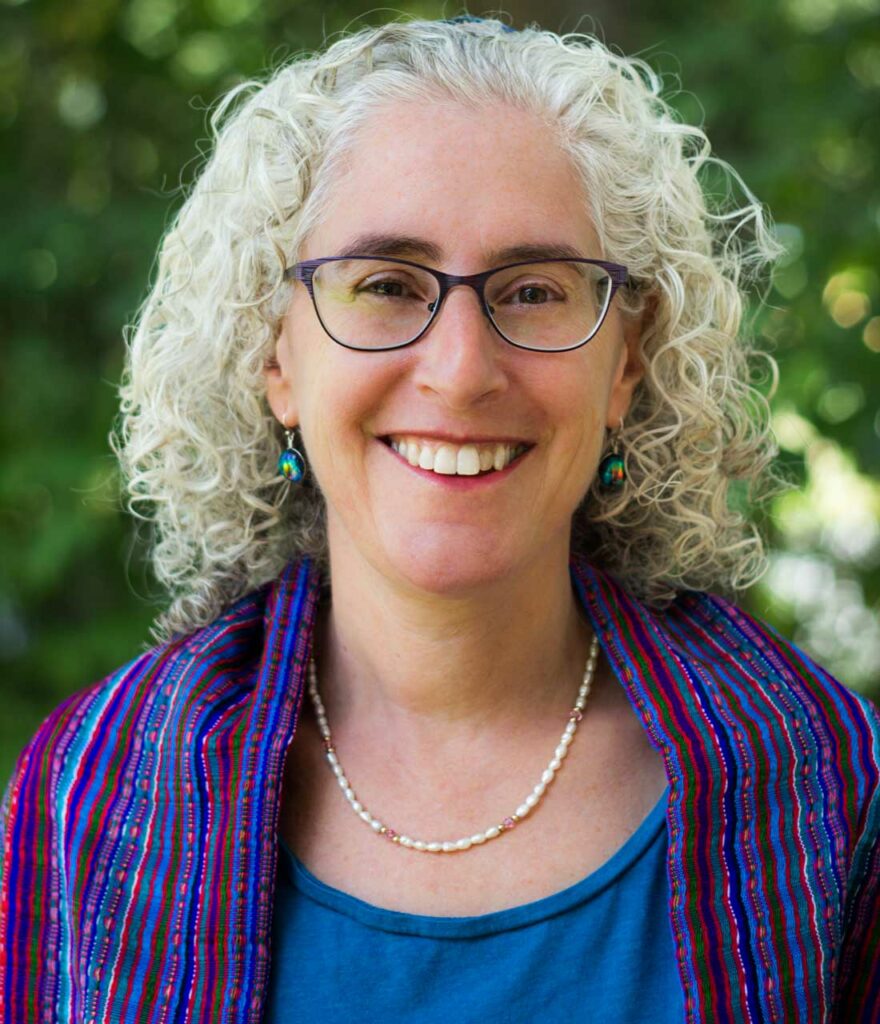
Rabbi Faith Joy Dantowitz is the rabbi of Congregation Emeth. Located in Morgan Hill and serving all of South County, Congregation Emeth was founded 50 years ago and is the oldest Jewish community in South County. Rabbi Dantowitz can be contacted at ra***@***th.net.