





Authorities double charge for owl protection?

For the last decade, the city of Morgan Hill has collected more than $380,000 from developers to protect burrowing owl habitat in the city limits, but only one such bird has been found during that time.While at least one developer worries that the city’s continued imposition of the burrowing owl fee is redundant with the newer Santa Clara Valley Habitat Conservation Plan’s species preservation program, the city says it is bound by legal obligations to collect the revenues for a few more years.The city’s burrowing owl fee of $191 per housing unit or $1,333 per acre on non-residential projects, has been in place since 2003, according to city staff. The fee applies only on the valley floor, and was mandated as part of an Environmental Impact Report for the renewal of the Morgan Hill Redevelopment Agency in the late 1990s. That followed a legal settlement with the Audubon Society, which required the city to consider adopting an owl protection plan.The burrowing owl, a migratory bird, is listed by the California Department of Fish and Wildlife as a “species of special concern” which could land on the threatened or endangered list if its population continues to decline.From 2004 to 2013, the city collected $384,032 in burrowing owl protection fees from developers, according to Morgan Hill Program Administrator Anthony Eulo. During the same time, expenses under the program totaled $164,055.Costs included the preparation of an annual report by the city’s contracted biologist, and mowing grassland on a 40-acre owl preserve area in the city limits to keep the property suitable for species nesting, Eulo said. The preserve is owned by the city and is located next to the West Edmundson Avenue water tank—a site where burrowing owls were seen nesting when the city built the storage tank in 2002.“That meant there must be something about that spot,” Eulo said. “Our tank did not disturb that nesting spot.”While areas of Morgan Hill might have once hosted thriving burrowing owl nests, only one bird has been documented since the fee was implemented.In February 2007, “an owl hung out for a few days and left” in the area of the San Pedro Avenue percolation ponds—on the opposite side of town from the city’s preserve area—according to the city’s contracted biologist Nathan Hale of Live Oak Associates. An unverified sighting by a private property owner on Railroad Avenue was reported in 2009.The lack of burrowing owl activity in the last 10 years now frees the city from its obligation to maintain a preserve, according to city staff, citing the original EIR agreement. But the city will continue to collect the protection fee until the current General Plan expires in 2020, in accordance with the same EIR.Revenues will go instead to the SCVHCP, which was established in 2013. On Oct. 1, the city council voted to transfer its remaining burrowing owl protection balance of $219,977 to the SCVHCP, which agreed to use the funds to supplement its own preserve efforts.“We decided there doesn’t seem to be any value in continuing to maintain preserve land, look for owls, and pay a biologist to do that,” Eulo said. “If we go with the Habitat Agency, they have other land” on which to preserve owl habitat.The SCVHCP was barely a glimmer in regulators’ eyes when the city implemented its protection fee. But now that the Habitat Plan is implemented, it replaces other burrowing owl (and other species) protection efforts previously in place throughout the county by imposing a “land cover” fee on all developers, and supplemental “specialty fees” when projects disturb certain specific species, according to SCVHCP staff.Dick Oliver, President of Morgan Hill based Dividend Homes, is one local developer who has paid the city’s burrowing owl protection fee for the last decade. His company has built a number of local residential projects, including the Alicante and Mission Ranch developments in north Morgan Hill.Oliver thinks the city’s continued collection of burrowing owl charges, combined with the new SCVHCP fee schedule, amounts to a “double fee.” He said the city should stop collecting the fees now that it has been established that no owls live in Morgan Hill.“We’d appreciate the money being returned to us,” Oliver said of the city’s burrowing owl revenues. Oliver sits on the SCVHCP public advisory committee, a nine-member body that must include developers, environmental advocates, farmers and members of the general public, according to Habitat Plan guidelines.The SCVHCP fees fund the mitigation of impacts by developers on 18 species found in the valley, and replaces a series of fees previously imposed by state, federal and local regulators.Currently, the only verified burrowing owl breeding habitat in the SCVHCP area is in north San Jose, according to SCV Habitat Agency Executive Officer Edmund Sullivan. Developers who propose disturbing that habitat must pay a specialty burrowing owl fee of $51,568 per acre. That’s in addition to the land cover fee, which ranges from about $4,300 to $17,000 per acre depending on what type of land (vacant urban, ranchland or agricultural) they intend to build on.The city is still required to conduct burrowing owl surveys on local projects until 2020 under its own protection program, Eulo added.There is no precedent for the refund of wildlife protection fees to developers, Eulo said. City staff understand Oliver’s concern, but added they are bound by the law to continue protecting burrowing owls—even if that protection takes place outside Morgan Hill under the authority of another agency such as the SCVHCP.“There’s certainly a fair argument that the Habitat Plan is addressing the overall issue (of burrowing owl protection) and Morgan Hill shouldn’t be addressing owls as well,” said Morgan Hill Community Development Director Andrew Crabtree. “But we do have a settlement agreement.”

Police seeking more victims in teacher molestation case
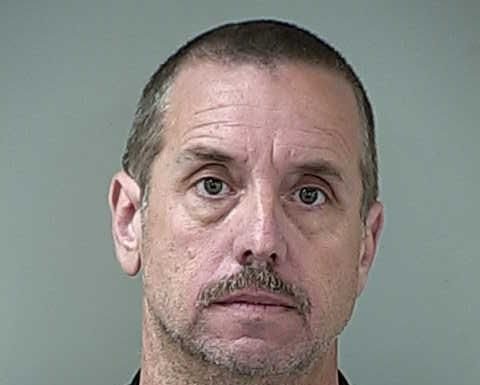
Following a recent revelation in court that Paradise Valley Elementary School teacher John Loyd is now suspected of sexually assaulting four children, Morgan Hill police are seeking anyone who might have had inappropriate contact with the suspect over the years.
The Morgan Hill Police Department...
Sheriff’s log: Drugs, burglary, vandalism
DrugsA 52-year-old man, 2:38 a.m. Nov. 30 on the 7200 block of Monterey Highway in Gilroy, for possession of methamphetamine.A 54-year-old man, 6 p.m. Nov. 29 on Monterey Highway at California Avenue in San Martin, for possession of stolen property and possession of concentrated cannabis.Vehicle burglarySomeone, between 4 p.m. Nov. 23 and 4:20 a.m. Nov. 24 on the 1800 block of Fisher Avenue at Hill Road in Morgan Hill, broke the driver’s side windows of a vehicle and stole six compact discs.VandalismSomeone, between 8:30 p.m and 9:35 p.m. Nov. 23 on the 2200 block of Cochrane Road in Morgan Hill, unlawfully entered a residence and broke a television, which was estimated at $200 in value.
Middle school students take on shelter-building adventure
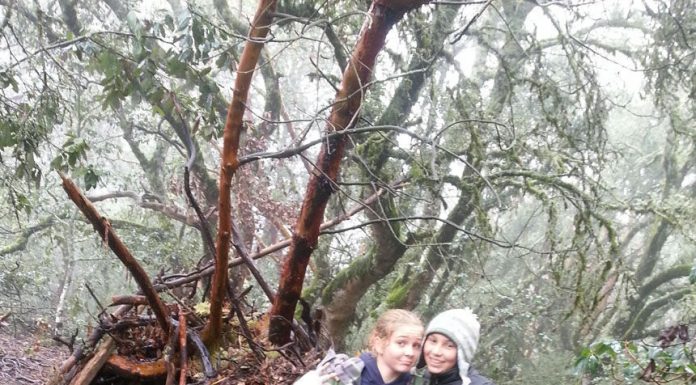
Tucked against the trunk of a substantial redwood tree, naturally camouflaged and constructed from tree branches, bits of bark, leaves, tree needles—the same forest “litter” that covers the surrounding area—a small hobbit-sized shelter is visible. This snug enclosure is just large enough for one, or maybe two, of the middle school students who constructed it, and is one of several forest shelters recently built by Mount Madonna School (MMS) sixth, seventh and eighth graders.
Citizens provide valuable help to scientists
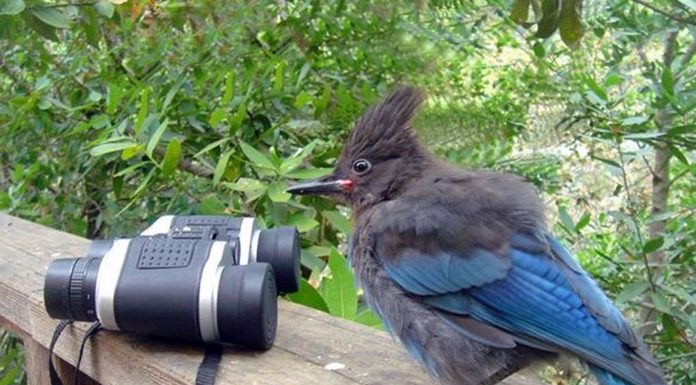
Last month's column summarized the results of Audubon's seven-year study on the effect of climate change and habitat loss on birds. The report was written by well-known scientists, but these highly regarded scientists could not have compiled all the data on bird locations and movements by themselves—such a task would be overwhelming. Where did Audubon's scientists get the data needed to complete this study?

