





John Varela appointed to water district director’s seat

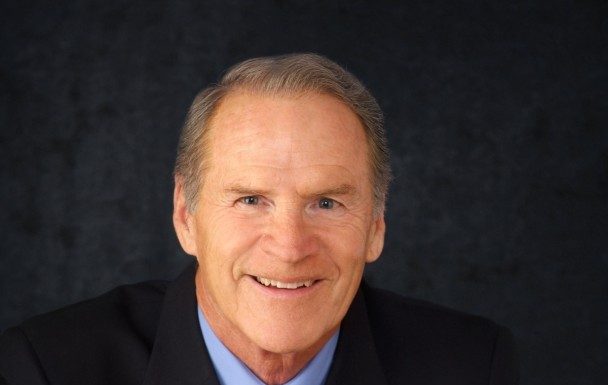
Former Morgan Hill mayor and city councilmember John Varela was appointed to the board of directors of the Santa Clara Valley Water District Dec. 10.Varela rose to the top of a crowded field of 21 candidates who applied for the District 1 seat. That seat was held by Dennis Kennedy, who resigned Nov. 4 due to health reasons. The six current board members narrowed down the field of applicants to five at a meeting earlier this week, then spent most of the day Dec. 10 interviewing those finalists.In addition to his public service record as an elected official in Morgan Hill, Varela is an entrepreneur and co-founder of a number of nonprofit organizations in South County, and of several for-profit companies in the renewable energy industry. He is also the co-founder of South Valley Angels, an organization that helps people start small companies.SCVWD Board Chair Gary Kremen said Varela’s familiarity and experience with South County factored into his decision to vote in favor of his appointment.“Mr. Varela stood out, at least in my mind, because of his demonstrated record of civic engagement for Morgan Hill, Gilroy, San Martin and other areas within District 1,” Kremen said.Varela, a 38-year resident of Morgan Hill, is also currently serving on the Morgan Hill Chamber of Commerce board of directors, and volunteers for numerous organizations and community efforts. He is a 30-year member of the Morgan Hill Kiwanis Club, and works with the Silicon Valley Chamber Coalition Regional Economic Development Initiative. He also represents South County as an advisor and board member to Joint Venture Silicon Valley.“I’d like to say I have a sense of connecting and bringing people together collaboratively, and I believe that is the quality and the skills that the board of directors was looking for,” Varela said. “It’s going to be hard to fill Dennis Kennedy’s shoes. He has quite a legacy.”Varela’s appointment was not an easy decision, as Kremen said the board was fortunate to select from a “great” field of candidates. The final balloting among the six directors sitting on the board Dec. 10 yielded four votes for Varela after the five applicants were interviewed in the public meeting. Two directors voted for Morgan Hill City Councilmember Rich Constantine.Before these interviews, a total list of 21 residents applied for the District 1 seat by submitting letters of interest and answers to district questionnaires by Dec. 4. At a Dec. 8 meeting, board members used a “rating sheet” to narrow down the field to five, Kremen explained.Also interviewed for the District 1 seat Dec. 10 were Santa Clara County employee and San Jose Mineta International Airport Commissioner Tom Cruz, Campbell Councilmember Jeffrey Cristina and second-generation farmer and Grass Farm owner Erin Gil.Kennedy, also a longtime Morgan Hill resident and former mayor, resigned from the District 1 seat due to health concerns. He was appointed to the seat in 2013, after Don Gage resigned. Kennedy was then elected to the seat in November 2014.The SCVWD provides wholesale drinking and agricultural water, and flood protection, to about 1.8 million residents in the county.District 1 on the seven-member board of directors includes all of South County, areas of south San Jose and eastern areas of the county.Varela will serve on the SCVWD board at least until November 2016, when the water district will hold an election to fill the seat for the remainder of Kennedy’s original term. That term would have expired in November 2018. Varela said he currently plans to run to retain the seat in 2016.The most important issue facing the water district and South County, for at least the next year, will be the availability of water, Varela said. “In our region, it’s about storage,” he said, noting that Anderson Dam has limited capacity due to state seismic restrictions.He added he would like to see improvements in the district’s recycled water programs, especially in Morgan Hill where “we’re using potable water for everything.” The cost to deliver recycled water from the area facilities that produce it—such as the Gilroy wastewater treatment plant—are not currently affordable, but Varela would like to see the district explore additional funding for that purpose. Recycled water can be used for landscape and crop irrigation.Varela also noted the importance of South County agriculture and his willingness to work with those water users.“That is a major economic value to South County and all of Santa Clara County, to make sure the water supply is available to the agricultural community and all ratepayers,” Varela said. “I want to work with the farmers, the growers. So much of that is part of our history and what Morgan Hill, San Martin and Gilroy are all about.”

SCVWD board interviews five applicants for District 1 director’s seat
The Santa Clara Valley Water District board of directors is currently interviewing five of 21 applicants who applied to temporarily fill the District 1 director’s seat vacated last month by former director Dennis Kennedy.From the field of 21 names who submitted applications for the appointment last week, the current six directors chose five candidates to interview at the Dec. 8 board meeting, according to SCVWD Board Chair Gary Kremen.At the meeting currently underway at water district headquarters, 5700 Almaden Expressway, the board is interviewing applicants Richard Constantine, Morgan Hill City Councilmember; Campbell Councilman Jeffrey Cristina; Santa Clara County employee and San Jose Mineta International Airport Commissioner Tom Cruz; second generation farmer and Grass Farm owner Erin Gil; and former mayor of Morgan Hill John Varela.The applicants submitted their letters of interest and their answers to a board questionnaire before the Dec. 4 deadline to do so last week. The questionnaire included inquiries about the applicants’ relevant experience for the director’s seat, their positions on current water district practices and what they feel are the district’s highest priorities in the coming years.At the Dec. 8 board meeting, directors, having reviewed the applications, submitted a written “rating sheet” to the clerk of the board, Kremen explained. The top five applicants after the ratings were tallied received three or more votes from these rating sheets.The agenda for the Dec. 10 meeting, currently underway, calls for the board to interview the five candidates during the public meeting and appoint one to replace Kennedy, who resigned Nov. 4 due to health complications related to a brain tumor. The appointee will serve until November 2016. At that time, the board plans to call an election to ask the voters to fill the seat through the remainder of Kennedy’s term, which would have expired in November 2018.The District 1 director represents the area within SCVWD boundaries that includes all of South Santa Clara County, plus most of the eastern portion of the county.The SCVWD provides wholesale water to cities and other retailers throughout the county, ultimately providing drinking water for about 1.8 million residents. The district is also in charge of flood control for the county’s residents.Applicants and other authorities have noted that District 1 includes most of the agricultural property remaining in the water district’s sphere of influence. These properties are among SCVWD’s biggest consumers, and the agricultural community has long argued they should have a representative of their industry on the board of directors.The current statewide drought, now in its fourth year, is just one challenge the District 1 director will face in the coming months. The Anderson Dam retrofit project in Morgan Hill and the Upper Llagas Creek Flood Control project are among the district’s biggest ventures that will remain underway through the November 2016 election.

