
As many around the world celebrate New Year’s Day with fireworks, parties and resolutions, Muslims mark the beginning of their calendar year in a very different way: through quiet reflection, spiritual renewal and remembrance of profound historical events.
The Islamic New Year, also known as the Hijri New Year, begins with the month of Muharram, one of the holiest months in Islam. Unlike the solar Gregorian calendar, the Islamic calendar is lunar, based on the phases of the moon, and consists of 12 months totaling about 354 days.
This causes Islamic months to move back about 10 to 11 days each year in the Gregorian calendar.
The meaning behind the New Year
The Islamic calendar begins from an event called the Hijrah, which refers to the migration of the Prophet Muhammad and his followers from Mecca to Medina in 622 CE. This event was a turning point for the early Muslim community, allowing them to practice their faith freely and establish a just and inclusive society.
That migration wasn’t just a physical journey. It symbolized the values of perseverance, faith and moral courage.
Muslims don’t typically celebrate the Islamic New Year with parties or lavish gatherings. Instead, the focus is on personal reflection, prayer and acts of charity.
Many take this time to revisit the spiritual goals they have set for themselves, renew their relationship with God and offer support to those in need.
Muharram: A month of sacred significance
The month of Muharram is one of the four “sacred months” in Islam. Muharram is also a time of deep historical and emotional significance, especially the tenth day, known as Ashura. Ashura is a day of solemnity and remembrance for all Muslims, though it is observed differently by Sunni and Shia communities.
For Sunni Muslims, Ashura commemorates the day that the Prophet Moses and the Israelites were saved from Pharaoh’s tyranny, an event also found in the Jewish and Christian traditions. Prophet Muhammad is said to have fasted on this day and encouraged others to do so, as an expression of gratitude to God.
To this day, many Sunni Muslims fast on the tenth of Muharram to honor this tradition.
For Shia Muslims, Ashura is a day of profound mourning. It marks the martyrdom of Husayn, the grandson of Prophet Muhammad, who was killed in the Battle of Karbala in 680 CE. Husayn stood against the Umayyad Caliph Yazid, refusing to accept what he saw as corrupt and unjust leadership.
Despite being vastly outnumbered, Husayn and his small group of followers chose to stand firm for their beliefs. His death is remembered as a powerful act of resistance against tyranny and injustice.
Shia communities around the world commemorate Ashura with processions, recitations of elegies and reenactments of the events at Karbala. These rituals are not celebrations, but acts of remembrance, often accompanied by weeping and a deep sense of loss.
A message for all
While the Islamic New Year may pass quietly for many, its lessons are universal: courage in the face of oppression, the pursuit of justice and the importance of staying true to one’s principles.
For those who aren’t Muslim, understanding Muharram and Ashura offers a valuable insight into the spiritual and ethical foundations of Islam. It’s a reminder that even in mourning, there can be hope; in suffering, there can be meaning; and in history, there can be enduring guidance for the present.
As the world continues to seek peace and understanding, reflecting on these sacred times can help build bridges across cultures and faiths.
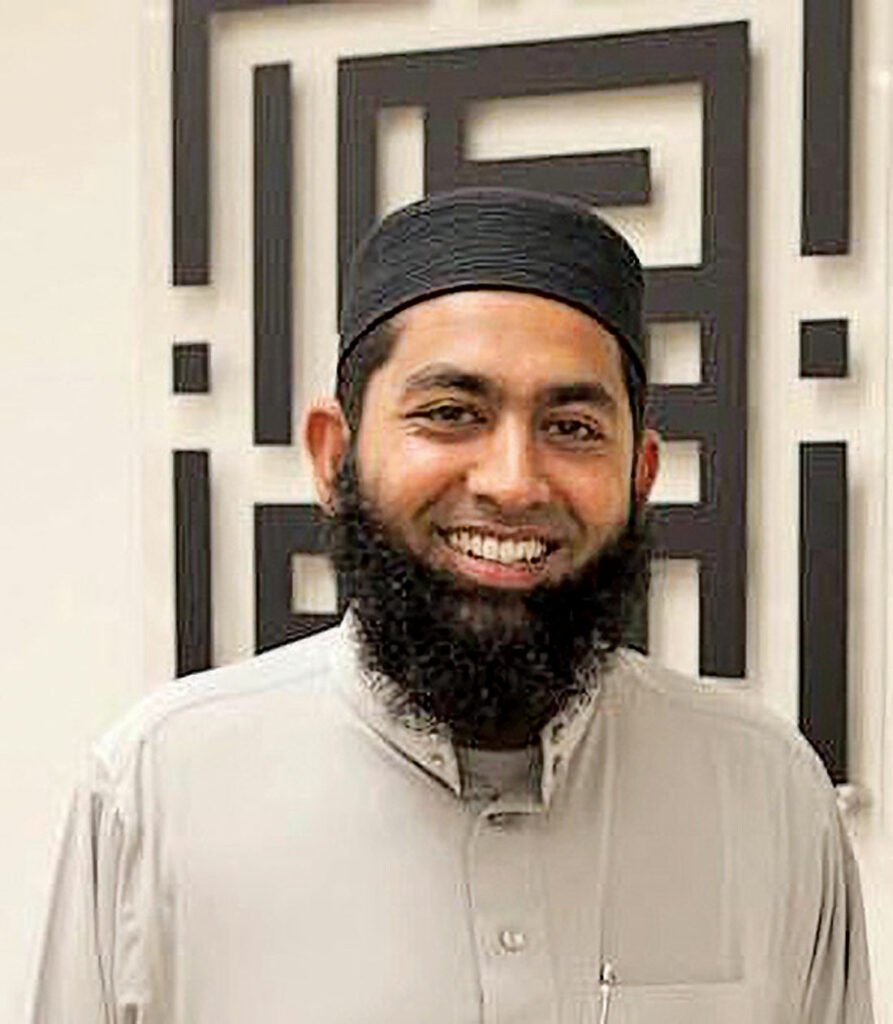
Imam Ilyas Anwar is the religious leader for South Valley Islamic Community, serving them and the larger Muslim community in the Bay Area for over 20 years. He is an active member of the Interfaith Clergy Alliance of South County and can be reached at in**@**ic.org.