April is recognized as World Autism Month, and I write this as both a mother and an advocate.
Like many parents, my early experiences with autism were overwhelming and, at times, isolating.
In our community, support can feel limited. Many autistic children are often defined by behaviors that others don’t understand—screaming, tantrums or difficulty communicating, especially in early childhood. I remember moments when simply leaving the house felt daunting, even requiring calls for help, or chasing my son through a parking lot because of his fear of unfamiliar places like doctors’ offices.
But over time, my perspective began to shift.
As I observed not only my son but other autistic children, I started to see something deeper. Beneath those challenging behaviors are remarkable minds—children with unique talents, creativity and intelligence.
Too often, those gifts are hidden behind sensory struggles that can drain families emotionally and physically.
That realization led me to learn more about what shapes these behaviors. I began studying how both internal and external factors affect autistic children—especially their sensory environments.
What many of us consider normal background noise—a refrigerator humming, a washing machine running, a vacuum cleaner, even the ticking of a clock—can feel overwhelming.
Sensory overload is real, and it can trigger anxiety and distress.
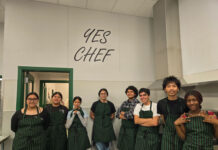
I’ve seen firsthand how small environmental changes can make a meaningful difference. At Achieve Kids School in Palo Alto, a high school community project focused on redesigning classroom space. By adjusting layout, color and visual cues, teachers noticed students were calmer, happier and more focused. The transformation was powerful.
These same principles can be applied beyond the classroom—to homes, daycares and even medical waiting rooms.
For families, simply getting out the door can be a challenge. When children become overwhelmed, having a designated safe space can make all the difference.
A calming space gives a child a place to reset and self-regulate—a place where they feel secure and in control. When a child is calm, the entire family benefits. Siblings can build stronger relationships, and parents can better support their child’s growth. From there, additional therapies and learning opportunities become more effective.
In my own journey to better understand autism, I’ve hosted two global summits, “Your Child with Autism,” where I interviewed 26 professionals and autistic adults during the pandemic. Experts ranged from autism celebrities, brain researcher, autism professors, occupational speech and music therapist, interior and architect who designed spaces for autistic children.
I was honored to include renowned autism advocate Temple Grandin, Stephen Shore for the events.
This work continues. My next Live Virtual Autism Summit will take place May 9, featuring Temple Grandin, Ph.D., Dr. Stephen Shore and Nancy Amar, OTR/L.
Autistic children are not defined by their challenges. They are part of our future, and they deserve understanding, support and environments that allow them to thrive.
I will continue this journey—for my child, and for others like him.
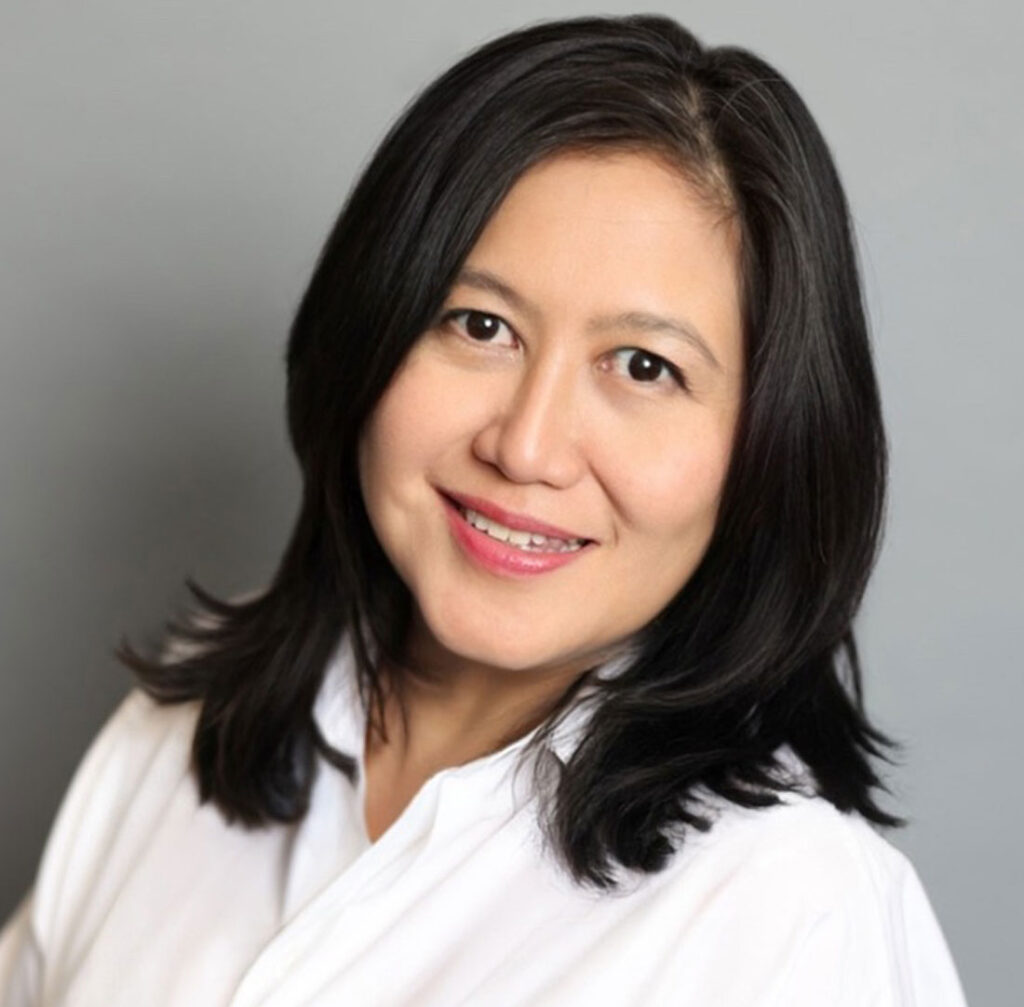
Florencia Djoe is the Principal/Sensory Interior Designer of a full interior design consultant in Morgan Hill. She has been in the design industry since 1985. Her projects range from high end residential, hospitality and commercial up to Fortune 500 offices. Find more info on her website at FlorenciaDjoe.com.