Do you remember the road atlas? For many of us, it was a staple of every family road trip, tucked into the glove compartment or wedged between seats. If construction popped up ahead, there was no warning. If traffic was backed up for miles, you found out the hard way.
You had a basic map, a general sense of direction, and you figured it out as you went.
Not long ago, I realized my kids will never experience life like that. They won’t remember a time when there wasn’t a screen in the car offering turn-by-turn directions, complete with estimated arrival times and alternate routes. The map will always be there, bright, detailed and reassuring.
And in many ways, it has shaped what they expect. Not just that we will arrive, but that they will understand every step along the way.
A few weeks ago, I was driving one of my kids to school. As we pulled away from the house, she urgently asked me to turn on the GPS so we could have directions to her school. She wanted to see the exact route we needed to take.
Now, mind you, we live walking distance from her school. The drive is often one minute. Two minutes if we hit a stop sign at the wrong time. It’s a trip I could do with my eyes closed. But for her, it wasn’t enough to know we were going.
She wanted to see the route and know what came next.
That moment stuck with me, because it’s often how we approach a relationship with God. We’re willing to follow Him as long as we can see the plan. We want clarity, details and a timeline. We want to know the destination, the steps and the outcome. But following God only when it makes sense to us, only when we can predict where it leads, isn’t really faith at all.
Faith requires trust. It means following God when we don’t have full understanding. It means obeying when the outcome isn’t guaranteed. It means believing God is good even when we can’t see where the road is heading.
Most of us are comfortable with a faith that fits our understanding. Be kind, be generous, treat others well. But the Bible also calls people to a kind of obedience that doesn’t always feel natural.
Love your enemies. Pray for those who persecute you. Rejoice in suffering. Live with integrity when it costs you. Hold money and comfort with open hands instead of clenched fists.
Sometimes, when I’m driving my kids, I’ll turn off the GPS or take a different route than the map suggests. Almost immediately, I hear it from the back seat: “Dad, we don’t know where we’re going!”
And I’ll calmly remind them, “You may not know, but your father does. You just have to trust me.”
In a small way, that’s what it means to follow God. There are moments in life when we don’t know what’s next. We don’t know how the story will turn out. But God does.
Living by faith doesn’t mean we always know the next turn. It means we trust the One who does.
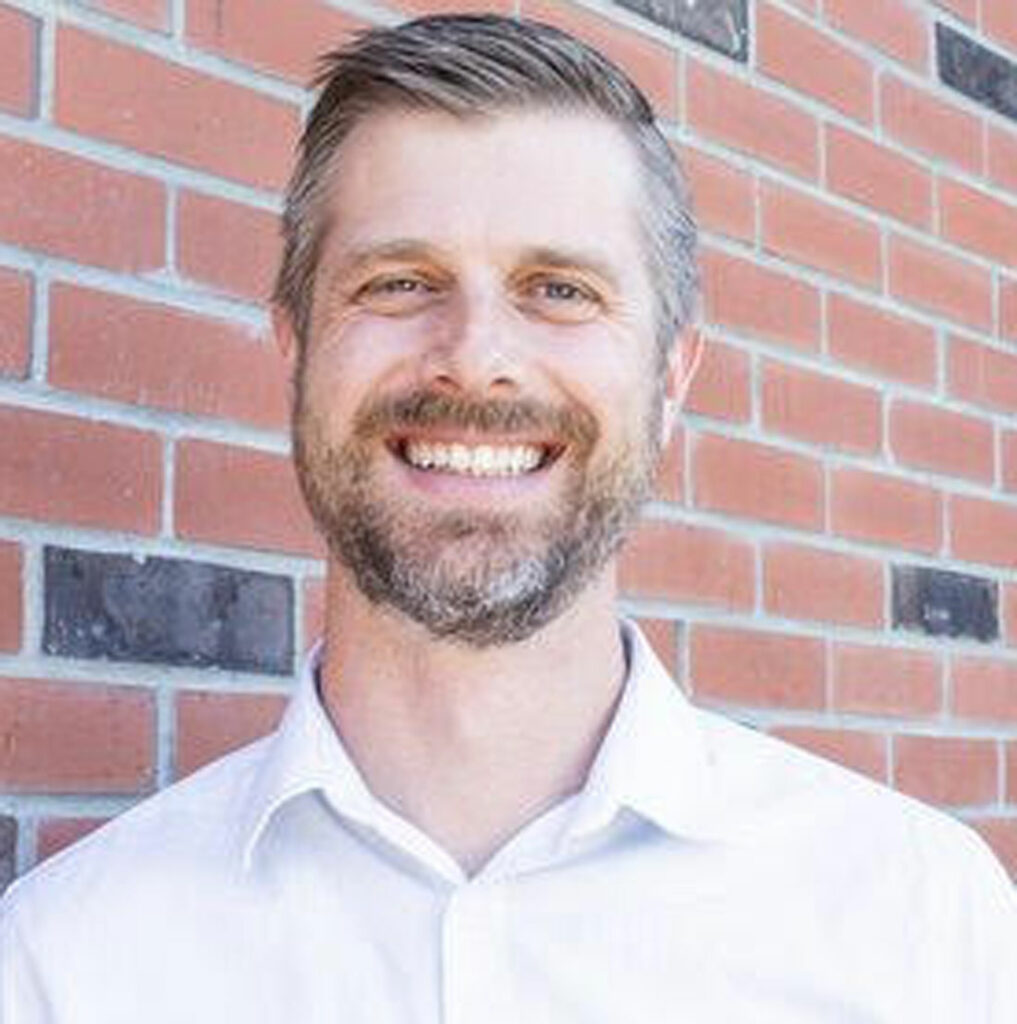
Michael Best is the Lead Pastor at Morgan Hill Bible Church and a member of the Interfaith Clergy Alliance. He can be reached at mi*****@*****le.org.