Each year, Muslims around the world mark the beginning of a new year on the Islamic, or Hijri, calendar. This year the new year will begin on June 17.
While many people are familiar with New Year celebrations on Jan. 1, the Islamic New Year follows a different calendar system and is observed in ways that may be unfamiliar to many. For those interested in learning more about Islam and the traditions of their Muslim neighbors, the Islamic New Year offers an opportunity to better understand both Islamic history and contemporary Muslim life.
The Islamic calendar is a lunar calendar, meaning it is based on the cycles of the moon rather than the movement of the earth around the sun. Each month begins with the sighting of a new moon, and the calendar consists of 12 lunar months.
Because a lunar year is approximately 11 days shorter than a solar year, Islamic holidays and observances move through the seasons over time. As a result, the Islamic New Year falls on a different date each year in the Gregorian calendar.
The Islamic New Year begins with the month of Muharram, one of the four sacred months recognized in Islam. Muharram is regarded as a time of spiritual significance, reflection and devotion. The beginning of this month marks the start of a new Hijri year.
The Islamic calendar dates back to the year 622 CE and begins with an event known as the Hijrah, or migration. In that year, the Prophet Muhammad and his followers left the city of Makkah and traveled to Medinah after facing persecution.
The migration was a turning point in Islamic history. In Medina, Muslims were able to establish a community based on principles of faith, cooperation, mutual responsibility and justice.
The Hijrah is important not only because it was a major historical event, but because of what it represents. It reflects themes of resilience, hope, sacrifice and the pursuit of a better future despite challenges. When Muslim leaders later established an official calendar, they chose the Hijrah, and not the birth of the Prophet Muhammad or another milestone, as its starting point.
This choice highlights the importance of community-building, moral commitment and perseverance in Islamic tradition.
Unlike many New Year celebrations around the world, the Islamic New Year is generally not associated with fireworks, parties or public festivities. While customs vary among cultures and countries, many Muslims observe the occasion quietly.
It is often viewed as a time for reflection rather than celebration. Some Muslims attend religious programs, spend time in prayer, read from the Qur’an or reflect on personal goals for the coming year.
Others may focus on strengthening family relationships, serving their communities or increasing charitable activities.
The Islamic New Year provides an opportunity to learn about a faith practiced by nearly 2 billion people worldwide. Offering New Year greetings to Muslim friends, neighbors and colleagues is a thoughtful gesture. Reading about Islamic history, visiting a local mosque during an open house or attending an interfaith event can also help foster understanding and strengthen relationships across communities.
At its heart, the Islamic New Year is more than the beginning of another calendar year. It is a commemoration of a defining moment in history and a reminder of enduring values that continue to inspire Muslims around the world.
In a diverse society, learning about such traditions helps build mutual respect and appreciation, allowing people of different faiths and backgrounds to better understand one another and the values they share.
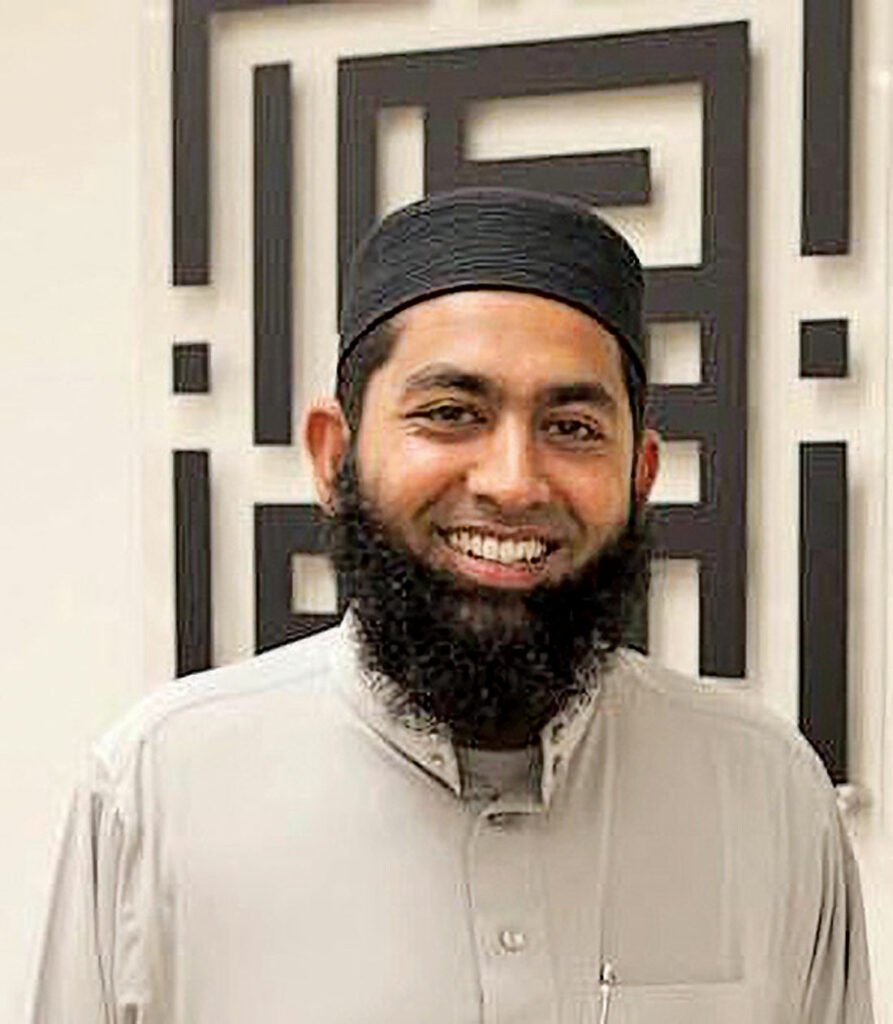
Imam Ilyas Anwar is the religious leader for South Valley Islamic Community, serving them and the larger Muslim community in the Bay Area for over 20 years. He is an active member of the Interfaith Clergy Alliance of South County and can be reached at in**@**ic.org.