The California Department of Boating and Waterways has issued a
boater’s safety advisory after recording the ninth boating-related
fatality since the beginning of Memorial Day weekend.
The California Department of Boating and Waterways has issued a boater’s safety advisory after recording the ninth boating-related fatality since the beginning of Memorial Day weekend.
“One of the victims died while using a paddlecraft, three while swimming from their vessels, and five in motorboat accidents, three of which were collisions involving personal watercraft,” said Raynor Tsuneyoshi, Cal Boating Director.
On May 31, of this year, 28-year-old Rachael Truong of San Jose died when a jet ski collided with her boat at Coyote Lake.
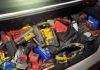
Collisions are the most common type of accident involving open motorboats, including personal watercraft (PWC). Everyone aboard a PWC and anyone being towed by a vessel must wear a U.S. Coast Guard-approved life jacket. Most types of life jacket will turn an unconscious wearer face-up in the water until help arrives.
Operator inexperience is one of the leading causes of boating accidents. Cal Boating accident analyst Amy Rigby recommends that anyone operating a boat such as a PWC for the first time take the time to become familiar with its operation. Operator inattention is another leading accident cause.
“People forget to look where they’re going, and heavy boat traffic only makes the situation worse,” said Rigby.
“Crowded waterways and alcohol are two important contributing factors in boating accidents,” said Tsuneyoshi. “When everyone around you is in a weekend or holiday frame of mind, keeping a sharp lookout and maintaining a safe distance from other vessels are absolutely essential.”
When fatigue combines with marine stressors such as wind, engine vibration, wave action, noise, sunlight, temperature and glare, looking out for other boat traffic and watching boat speed is important. Add alcohol to the mix and conditions become even more dangerous. Half of last year’s boating fatalities were alcohol related.
Designating a sober operator may not be enough.
“We’ve seen cases where a passenger fell overboard and was too intoxicated for self-rescue,” says Rigby, “and the other boat passengers weren’t sober enough to help the victim in time.”
Parents should keep a watchful eye on children playing in or around the water and are advised to put life jackets on them as an added safety measure. California’s rivers and lakes have rocky bottoms and sudden drop-offs, a combination that has led to children drowning in as little as four feet of water. When boating, children under the age of 12 must wear their life jackets when aboard a boat 26 feet long or smaller, while the vessel is under way.
“If everyone would remember to keep a proper lookout, wear their life jackets, and watch the alcohol, most accidents could be avoided,” said Tsuneyoshi.
A personal watercraft (PWC) is defined as a vessel 13 ft. or less in length, propelled by machinery, that is designed to be operated by a person sitting, standing, or kneeling on the vessel, rather than in the conventional manner of sitting or standing inside the vessel, including Jet Skis, Wave Runners, etc.