
As the ninth month of the Islamic lunar calendar begins, nearly two billion Muslims around the world enter a sacred season known as Ramadan. From bustling cities in the United States to villages across Africa, Asia and Europe, the rhythm of daily life shifts.
For neighbors, colleagues and friends of other faiths, Ramadan can raise understandable questions: Why do Muslims fast from dawn to sunset? What does this month mean beyond abstaining from food and drink? And how is it celebrated when it ends?
Ramadan commemorates the moment when Prophet Muhammad first received revelation of the Quran more than 1,400 years ago. Muslims believe this scripture is the literal word of God, and Ramadan marks the beginning of its revelation.
For believers, it is a time of spiritual renewal, reflection and drawing closer to God through worship and service.
The most visible practice of Ramadan is fasting. From the first light of dawn until sunset, Muslims abstain from food, drink, smoking and marital relations. Fasting is one the foundational acts of worship that shape Muslim life. Yet fasting is about far more than hunger.
Spiritually, it is meant to quiet distractions and reorient the heart. By stepping back from physical comforts, Muslims strive to cultivate mindfulness of God and heightened awareness of their actions.
The fast is also a lesson in self discipline, patience and resilience. When a person refrains not only from food and water but also from gossip, anger and harmful behavior, the fast becomes an exercise in character.
Equally important is the social dimension. Experiencing hunger and thirst fosters empathy for those who face food insecurity daily.
Charity is emphasized throughout the month, and many Muslims increase their giving to local food banks and humanitarian causes. Acts of generosity, whether financial contributions or volunteering time, are seen as a part of the spiritual goals of Ramadan.
Daily life during Ramadan follows a distinctive rhythm. The day begins before dawn with a meal known as suhoor, shared quietly with family. After the dawn prayer, many head to work or school as usual.
Contrary to some assumptions, most Muslims maintain their regular schedules. Throughout the day, they balance responsibilities with additional prayers and reading of the Quran.
At sunset, families and communities gather for iftar, the meal that breaks the fast. Often beginning with dates and water, in keeping with prophetic tradition, iftar can be as simple as soup and bread or as elaborate as a community banquet.
Mosques frequently host open iftars, welcoming neighbors to join as an expression of hospitality and interfaith friendship.
The month concludes with Eid al-Fitr, the “Festival of Breaking the Fast.” The day begins with a special congregational prayer, where worshippers dress in their finest clothes and gather in mosques or large open spaces.
Eid is marked by festive meals, exchanging gifts, visiting relatives and reaching out to neighbors. Children often receive small presents or money, and homes are filled with laughter and the aroma of favorite cultural dishes.
While Ramadan is reflective and disciplined, Eid is joyful and communal. It’s a celebration of spiritual growth and gratitude.
For those of other faiths, small gestures can build bridges. A simple “Ramadan Mubarak” or “Eid Mubarak” conveys warmth and respect. Accepting an invitation to an iftar, asking thoughtful questions or learning about a neighbor’s traditions can strengthen community ties.
In a world often divided by misunderstanding, Ramadan offers a reminder of shared values: compassion, self-restraint, generosity and gratitude. By understanding what this month represents, we move one step closer to a deeper appreciation of the diverse faiths that enrich our common life.
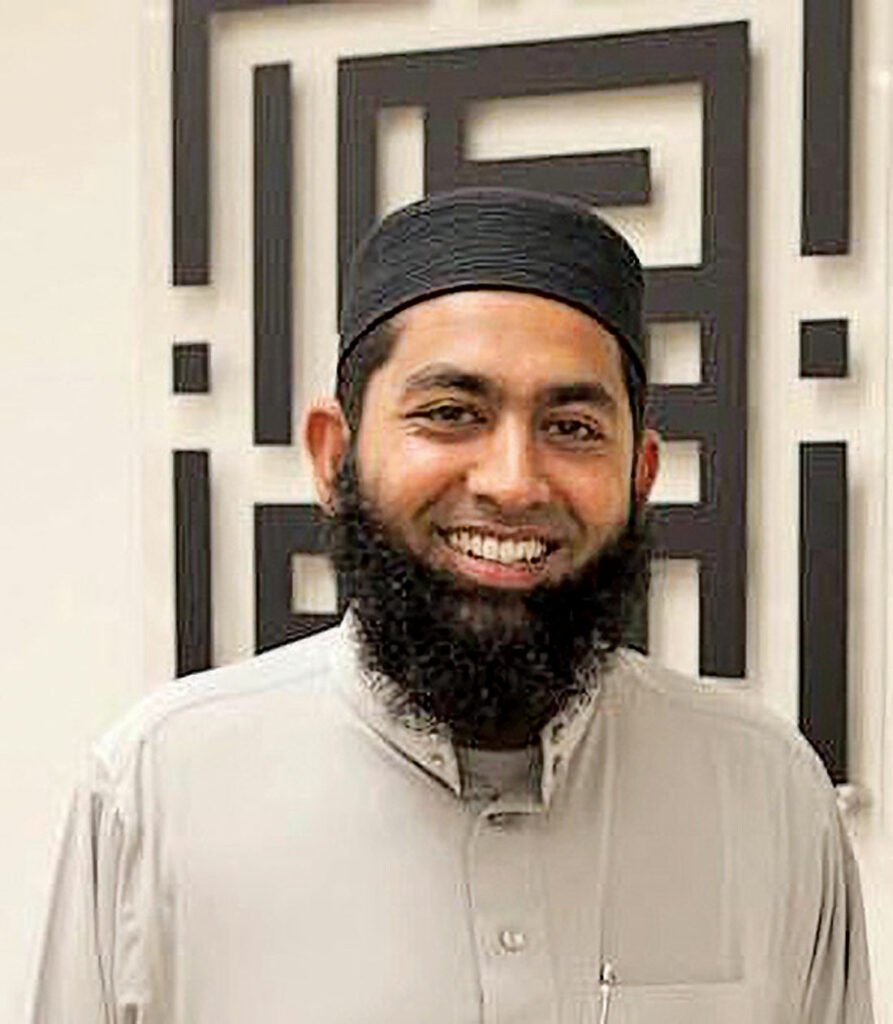
Imam Ilyas Anwar is the religious leader for South Valley Islamic Community, serving them and the larger Muslim community in the Bay Area for over 20 years. He is an active member of the Interfaith Clergy Alliance of South County and can be reached at in**@**ic.org.