This article was contributed by bitcoingamblingsites
Every summer, the smell of roasting garlic drifts across Gilroy long before the first booth opens, and with it comes a familiar buzz that regulars know well. Somewhere between the calamari line and the garlic ice cream stand, a woman named Rosa clutches a small paper ticket, checking the number against a chalkboard for the third time. She isn’t alone. All around her, festivalgoers are doing the same thing, holding stubs, glancing up at prize boards, waiting for that one moment when luck taps them on the shoulder. The raffles and prize drawings have always been part of the Gilroy Garlic Festival’s charm, turning a food celebration into something that flirts with chance and possibility.
That little thrill of maybe-this-time is nothing new, and it isn’t limited to a festival field in the South Valley. The same pull toward luck-based entertainment has followed people into their living rooms, where digital versions of games of chance have grown into a sizable slice of adult leisure. For readers curious about how that world is organized, a bitcoin gambling sites’ review works as a reference point, cataloging and evaluating online venues that accept cryptocurrency for casino-style play. It exists because the space has grown crowded, and adults who want to understand which digital destinations are reputable, how they handle deposits and what kind of games they offer now look for organized breakdowns rather than guessing on their own.
Where the Ticket Meets the Table
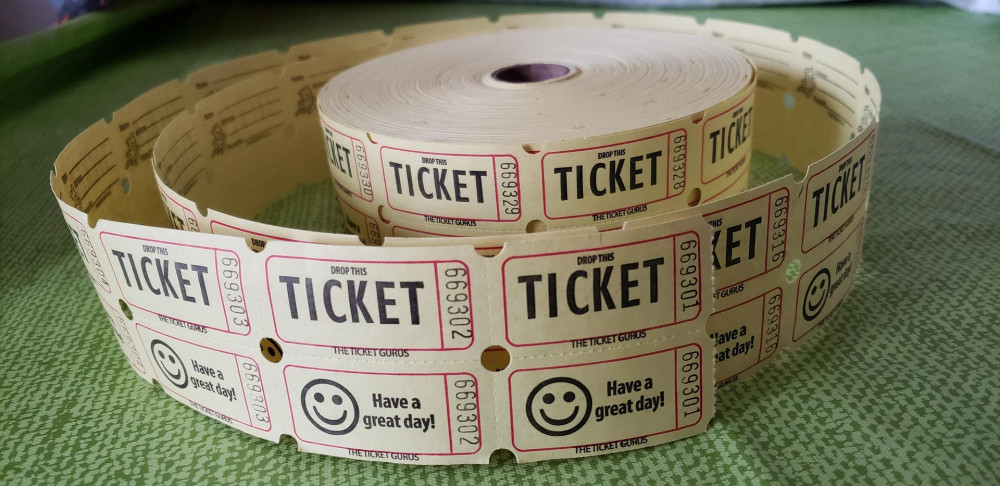
Back at the fairgrounds, the raffle table is one of the busiest spots all weekend. Volunteers in aprons hand over strips of tickets, and the prizes range from gift baskets stuffed with local produce to weekend getaways donated by area businesses. Part of the appeal is that the stakes feel light. A few dollars buys a handful of chances, and every dollar loops back into the community, funding scholarships, youth sports and civic groups that depend on the festival’s proceeds.
Rosa, for her part, buys tickets every year not because she expects to win, but because the ritual feels good. She tucks the stubs into her pocket, wanders off toward the cook-off stage and forgets about them until the numbers are called. That gap between buying in and finding out is where the excitement lives. It’s the same reason people linger near a spinning prize wheel or watch a bingo caller with a little too much intensity. The outcome is out of their hands, and somehow that makes it more fun.
Why Luck Feels So Good
There’s a reason drawings and raffles have anchored community events for generations. The appeal isn’t really about the prize itself. It’s about the shared suspense, the collective gasp when a number is read aloud, the way strangers suddenly become co-conspirators hoping the winner is someone nearby. Psychologists have long noted that small, low-pressure risks give people a jolt of anticipation without the weight of real consequence.
That craving for a bit of harmless chance shows up in household spending patterns, too. National data on household finances reflects how Americans budget for entertainment and discretionary fun, and community fundraisers fit neatly into that picture. A few dollars on raffle tickets rarely dents anyone’s finances, yet it delivers an outsized sense of participation. Gilroy’s festival has understood this for decades, which is why the drawings keep drawing crowds year after year.
From Chalkboards to Screens
The festival’s raffle boards are gloriously analog. Someone still writes winning numbers in chalk, and someone else still reads them into a crackling microphone. But the underlying instinct—hoping a random draw goes your way—has migrated onto screens as easily as everything else in modern life. Online games of chance now let adults experience that same anticipation from a phone, and cryptocurrency has become one of the ways people move money in and out of these digital spaces.
The shift tracks with broader adoption trends. Research showing that many Americans have used crypto suggests digital currency has moved well past novelty status. For plenty of adults, it’s simply another tool, no stranger than tapping a card at the strawberry stand on Third Street. That comfort with new payment methods is quietly reshaping how leisure gets funded and enjoyed, even as the old-fashioned raffle table holds its ground at hometown festivals.
The Same Spark, New and Old
What connects a chalkboard raffle and a screen full of digital games is the spark of not-knowing. Whether someone is holding a paper stub or watching a wheel spin online, the emotional core is identical: a small wager against randomness, a moment of suspense, a payoff of either delight or a shrug and a “next time.”
Analysts who study the growth of digital finance, including work on blockchain and digital assets, point to how quickly these systems have folded into everyday consumer behavior. The technology is new, but the human appetite it serves is ancient. People have always liked testing their luck, and they’ve always liked doing it alongside their neighbors.
Which brings the story back to Rosa. When her number finally crackles over the loudspeaker, she freezes, double-checks her stub, then lets out a whoop that turns heads two booths over. The prize is a basket of local olive oil and a Garlic Festival apron. It’s not life-changing. But for that one bright second, luck picked her out of the crowd, and that’s exactly what she came for. The tickets, the waiting, the payoff—it’s a small, joyful gamble that keeps Gilroy coming back to the festival grounds summer after summer.
The editorial staff of the Morgan Hill Times was not involved in the creation of this content. The content is for general information and does not constitute the financial, medical or professional advice of this publication. Readers should consult qualified professionals regarding their individual circumstances. The Morgan Hill Times disclaims any liability for loss or damage resulting from reliance on this content.