Published in cooperation between LadaDate and the Morgan Hill Times
Moving to a new city rarely feels simple, even when the streets are welcoming and the weather cooperative. People arrive for jobs, schools or family reasons, yet the real adjustment begins after the boxes are unpacked. In Morgan Hill, newcomers quickly discover that belonging doesn’t come from a lease agreement or a utility bill—it grows through shared spaces and shared routines.
Just as a traveler might seek to have beauty standards in El Salvador explained to appreciate local heritage, new residents in Morgan Hill find that community festivals serve as a masterclass in local culture. These events provide a soft landing, allowing people from all walks of life to find common ground through shared experiences, whether it’s over a plate of local garlic fries or during a downtown street performance.
Why Local Events Matter More Than People Expect
Community events are not simply entertainment. They act as social bridges. A farmers market, a school fundraiser or a church dinner gives people a reason to talk without pressure. Instead of forcing introductions, the activity itself creates a comfortable context.
First, the setting removes the awkwardness of “I’m new here.” When everyone is sampling food, watching a performance or cheering for a team, the attention naturally shifts away from self-consciousness. As a result, conversations begin organically—often about the activity, and then about daily life.
Second, these gatherings create repetition. Weekly and seasonal events allow people to see the same faces again. Recognition is powerful; even a simple “good to see you again” transforms strangers into acquaintances. Over time, acquaintances become neighbors who greet each other by name.
Finally, local events offer neutral territory. Workplaces, by contrast, can feel hierarchical, and private gatherings may feel exclusive. Public events, however, signal openness. Anyone can join without invitation, and that inclusivity is what makes them essential for newcomers.
The First Connections: Where Newcomers Usually Start
When residents arrive, they tend to look for environments that are structured but relaxed. The following settings consistently provide that balance:
- Farmers’ markets: Casual, conversational spaces where vendors and visitors interact naturally.
- School and youth sports: Families gather regularly and share a common interest.
- Library programs: Book clubs and workshops encourage discussion without social pressure.
- Faith communities: Often, the fastest route to meeting people across age groups.
- Volunteer days: Working together creates immediate cooperation and trust.
Each setting has something in common: participants focus on an activity rather than on networking. Because of that, relationships form without feeling transactional.
How Repetition Builds Trust
At first, most interactions are brief. A comment about fresh produce, a shared laugh during a game or help carrying chairs after a meeting may seem insignificant. However, repetition quietly strengthens familiarity.
Gradually, people move through predictable stages:
| Stage | What Happens | What It Leads To |
| Recognition | You notice the same people regularly | Friendly greetings |
| Conversation | Small talk becomes longer | Shared interests emerge |
| Participation | You plan to attend together | Invitations outside the event |
| Connection | Personal stories are exchanged | Real friendships |
The process cannot be rushed. Importantly, it also cannot be replicated easily through one-time social efforts. Consistency, not intensity, builds trust.
Shared Activities Create Shared Identity
Once people feel comfortable, they start to associate themselves with the community. They don’t just attend events; they participate in maintaining them.
New residents often shift from observers to contributors by:
- Helping organize a festival booth
- Coaching or assisting youth teams
- Joining neighborhood cleanups
- Supporting charity fundraisers
- Bringing food to potluck gatherings
Through participation, residents stop feeling like visitors. They begin to see themselves as stakeholders. The city becomes less of a location and more of a relationship network.
The Role of Conversation in Community Life
While activities bring people together, conversation keeps them together. Interestingly, meaningful connections often begin with ordinary topics—weather, pets or local recommendations. Yet those discussions gradually move into deeper territory: family traditions, upbringing and personal goals.
Because Morgan Hill includes families from varied cultural backgrounds, discussions frequently turn into informal cultural exchanges. Residents learn about holidays they had never celebrated and foods they had never tried. These conversations, in turn, create empathy. Understanding replaces assumptions, and curiosity replaces distance.
This is also why community environments succeed where formal networking sometimes fails. People are not trying to impress each other; they are trying to understand each other.
Why Volunteering Accelerates Friendships
Volunteering deserves special attention because it compresses the time needed to build familiarity. When people cooperate toward a shared purpose, communication becomes natural and practical.
Newcomers who volunteer often experience:
- Quicker recognition from regular participants
- Meaningful conversations while working
- Appreciation from organizers
- Invitations to additional community activities
- A stronger sense of usefulness and belonging
Working side-by-side removes barriers. Tasks require coordination, and coordination requires communication. Before long, the relationship shifts from cooperative to personal.
Digital Tools and Real-World Communities
Although community events remain central, modern life also includes online interaction. Residents sometimes join neighborhood forums, hobby groups and culturally focused communities to learn about local customs or meet people with shared experiences.
However, online communication tends to function best as a starting point rather than a substitute. When relationships move offline—meeting at a café, attending a festival or volunteering together—they become durable. The digital introduction merely lowers the initial barrier.
In other words, technology helps people find each other, but the community helps them know each other.
Small Interactions, Lasting Impact
It is easy to underestimate small gestures: offering directions at a market, saving a seat at a school performance or recommending a local restaurant. Yet these actions accumulate into social memory. A person remembers who helped them when they felt new and uncertain.
Over time, the cycle repeats. Yesterday’s newcomer becomes today’s welcoming neighbor. They greet others arriving with moving trucks and give the same advice they once received: attend local events, introduce yourself and come back next week.
Belonging, therefore, is not a single moment. It is a sequence of ordinary interactions that gradually shape identity.
What Makes Morgan Hill Especially Effective
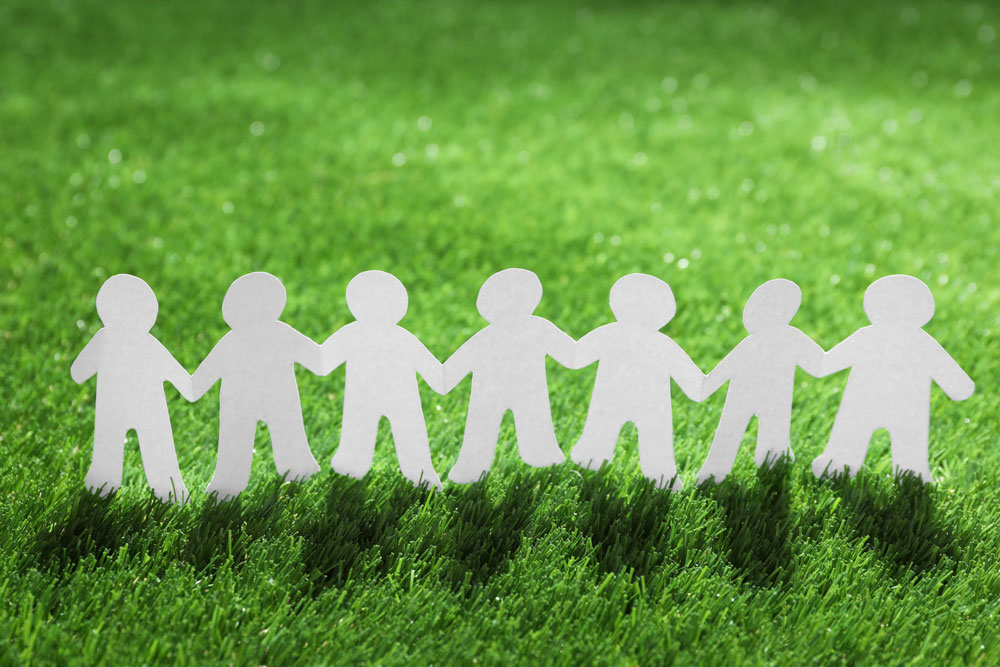
Morgan Hill’s size contributes significantly to its social environment. The city is large enough to provide opportunities yet small enough for recognition. People can run into acquaintances at a grocery store or community park. These unexpected encounters reinforce connections formed during events.
Furthermore, community traditions remain consistent year after year. Seasonal festivals, youth activities and civic gatherings provide predictable meeting points. Because newcomers can rely on these recurring opportunities, they have multiple chances to participate.
Importantly, participation does not require extroversion. Even quiet attendance creates familiarity, and familiarity encourages conversation.
A Community Built Through Presence
In the end, the strongest factor in building relationships is presence. Showing up repeatedly signals interest and reliability. People trust those they see consistently.
Morgan Hill demonstrates a simple principle: communities do not form automatically around geography. They form around shared time. When residents spend time together—shopping, volunteering, cheering or celebrating—they construct a social fabric that welcomes newcomers naturally.
For anyone arriving in the city, the path to belonging is not complicated. Attend an event, return the following week and allow conversations to unfold gradually. Friendships will not appear instantly, yet they will appear steadily. And once they do, the city stops feeling unfamiliar. It starts feeling like home.